Home › Gravel-to-Asphalt Conversions
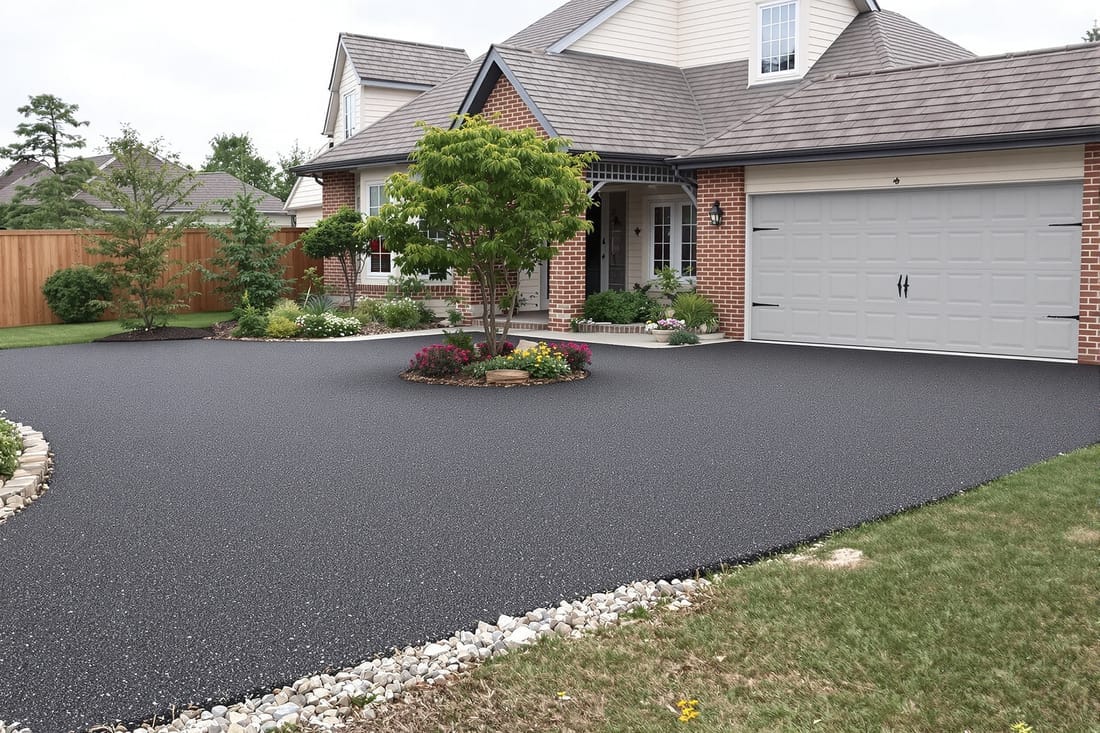
Tired of dust, mud, and ruts in your gravel drive Join our gravel to asphalt driveway services in Fayetteville, NC to upgrade to a smooth, low maintenance surface. We reshape and compact the existing gravel base, add material where needed, and install quality asphalt so you enjoy cleaner vehicles and easier snow and debris removal.
Precision Asphalt Fayetteville provides professional gravel to asphalt driveway throughout Fayetteville, NC, North Carolina and the surrounding area. Our licensed, insured crew delivers safe, clean, on-time work with a free estimate before anything begins. Call (910) 659-3742 or request your free quote.
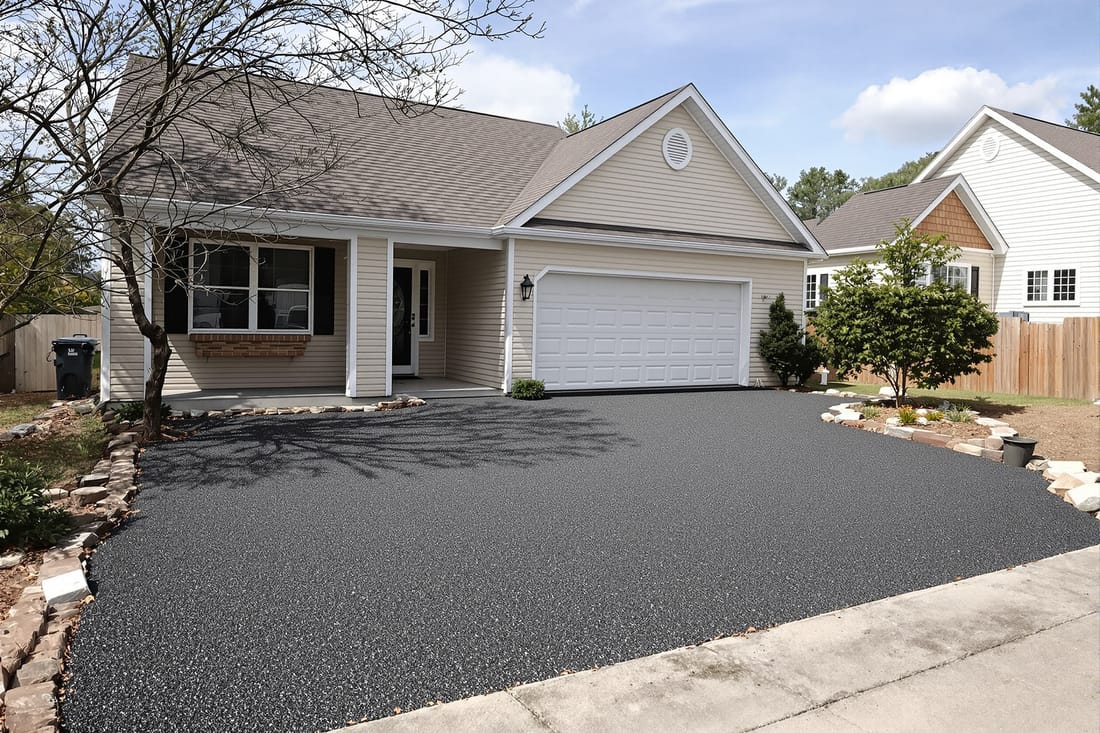
Turn Your Gravel Driveway Into Smooth Asphalt
If you are tired of dust, ruts, and loose stone every time you pull into your driveway, converting gravel to asphalt can be a big upgrade for your Fayetteville property. Precision Asphalt Fayetteville focuses on taking existing gravel driveways and rebuilding them into solid, long lasting asphalt surfaces that drain correctly and stand up to North Carolina weather.
A proper gravel to asphalt driveway conversion is more than just paving over the stone you already have. We inspect the base, fix soft spots, adjust slopes for drainage, and only then add asphalt. That is what keeps your new driveway from cracking, rutting, or puddling after the first hard rain.
In Cumberland County and the surrounding areas, we see many driveways that started as farm or temporary access roads. They were never built with a real base, so they move when the soil gets wet. Our approach is to rebuild what is under the surface first, so you get a driveway that feels solid every time you drive over it, not just when it is brand new.
Our Step by Step Gravel to Asphalt Driveway Process
Every property is different, but our conversions usually follow a clear sequence so you know what to expect.
1. Site visit and evaluation. We walk the driveway, look at how water flows, check for soft or pumping areas, and note any tight turns or steep sections. In Fayetteville we pay special attention to areas that stay damp after a thunderstorm, since that is where future failures usually start.
2. Grading and base correction. We reshape the existing gravel so water runs off the surface instead of pooling. If the current stone layer is too thin, mixed with mud, or contaminated with roots, we either remove it or supplement it with fresh crushed aggregate. Soft spots are dug out and rebuilt with compacted stone so they do not sink under vehicle weight.
3. Compaction. A heavy vibratory roller is used to compact the base in multiple passes. On smaller or tighter driveways we also use plate compactors around edges and near structures. Proper compaction is what keeps your driveway from shifting in our wet Fayetteville winters.
4. Edge definition. Where needed, we cut neat edges, add stone shoulders, or recommend concrete aprons at the road to handle turning traffic. Clear edges keep the asphalt from crumbling when vehicles drive close to the sides.
5. Asphalt installation. For most residential driveways we install a hot mix asphalt layer 2 to 3 inches thick after compaction. On heavier use or trailer traffic driveways we may recommend a base course plus a surface course for extra strength. The mix is placed with a paver when access allows, or hand placed and machine compacted in tight spaces.
6. Final rolling and cleanup. We roll the surface to a smooth, tight finish, match tie-ins at the road and garage, and clean up loose stone. Before we leave, we walk the driveway with you, point out drainage paths, and review how long to stay off the new pavement.
Local Conditions in Fayetteville That Affect Your Driveway
Fayetteville has a mix of sandy soils, clay pockets, and significant summer thunderstorms. All of that affects how a gravel to asphalt driveway should be designed and built.
Soil conditions. In sandy areas, the base drains easily but can shift if not compacted correctly. In heavier clay pockets, water tends to sit, which can weaken the subgrade. At Precision Asphalt Fayetteville we adapt the stone depth and type to what is under your gravel, not just what looks good on paper.
Rain and drainage. Quick, heavy downpours are common here. A driveway that is flat or slightly dished will collect water, which then seeps into the base and weakens it. We set slight crowns or cross slopes so water runs to the side ditches or your yard instead of sitting on the pavement.
Seasonal timing. The best time to schedule a gravel to asphalt driveway conversion in Fayetteville is typically from late spring through early fall when ground moisture is moderate and temperatures allow proper asphalt compaction. We can work outside that window in many cases, but we may recommend waiting during long cold or very wet stretches so the base and asphalt cure correctly.
Access and use. Many local homeowners have boats, campers, or work trailers. If you park heavy equipment on your driveway, we will talk with you about thicker asphalt sections or a stronger base in the main parking area, instead of treating the entire driveway the same way. This keeps the most stressed portions from rutting while controlling overall cost.
Cost Drivers, Options, and Common Problems We Fix
The cost of a gravel to asphalt driveway in Fayetteville depends on several practical factors, not just square footage.
Base repair and thickness. If your existing gravel is deep, clean, and well compacted, we can often use much of it and save money. If we find mud pockets, buried topsoil, or saturated areas, those require excavation and stone replacement, which adds to the cost but prevents early failure.
Driveway length, width, and layout. Long, straight drives are quicker and more efficient to pave. Narrow, winding paths, steep grades, and tight spaces where a paver cannot fit take more labor and handwork. We measure all of this on site so your estimate reflects the actual work.
Asphalt thickness and mix. Light residential traffic can perform well with 2 inches of compacted asphalt over a strong base. Heavier use, frequent delivery trucks, or shared access drives often benefit from 3 or more inches, or a two layer system. We explain the tradeoffs so you can decide what makes sense for your property.
Common issues we correct include low spots that hold water, rutted entry points at the road, and loose shoulders where vehicles drop a wheel off the edge. For each of these, we adjust grading, add structure to the base, and sometimes recommend a short concrete apron at the street if your traffic pattern is especially tough on the entrance.
We are upfront about anything that could raise your cost, and we also look for ways to reuse your existing stone where it is appropriate. That is one advantage of working with a local company that knows the soils and street conditions in and around Fayetteville.
What to Expect From Precision Asphalt Fayetteville
Before we schedule the work, we provide a written estimate that explains the base work, asphalt thickness, and any drainage changes we recommend. There are no surprise line items added after the fact unless we uncover something unexpected underground, and even then we discuss options with you first.
On the day of your gravel to asphalt driveway conversion, we typically ask that vehicles be moved to the street or a neighbor's drive and that sprinklers be turned off. Most residential projects take one to two days from start to finish, depending on length and the amount of base repair required.
After paving, you can usually walk on the surface the same day, but we recommend keeping vehicles off for 24 to 48 hours so the asphalt can cool and harden. In the first few months, avoid sharp turning of wheels while stationary and keep very heavy loads off the edges. We also suggest watching how water flows during the first heavy rain and letting us know if you see any unexpected ponding.
Because we live and work here, our name is on driveways we drive past every week. Precision Asphalt Fayetteville stands behind its gravel to asphalt work and is available for follow up questions long after the rollers leave your property. If you are ready to replace dust and washouts with a smooth, solid asphalt driveway, we can schedule a visit, walk the site with you, and outline a plan that fits how you actually use your property in Fayetteville.