Home › Private Road and Lane Paving
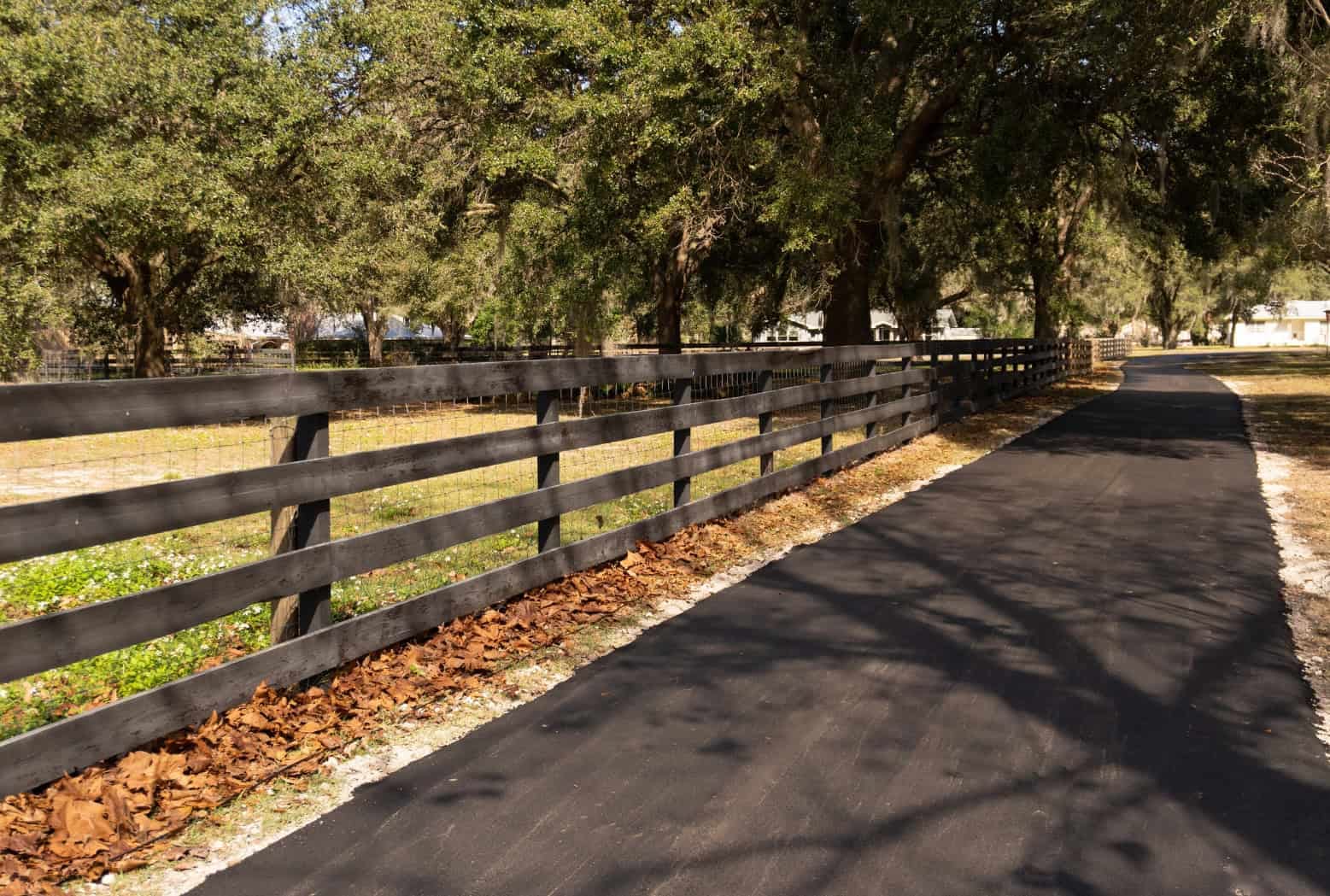
Improve access to your property with professional private road paving in Fayetteville, NC. We design and build asphalt lanes for long driveways, shared access roads, and rural properties, focusing on drainage, proper base, and durability. Our team handles new construction and upgrades from gravel so residents and service vehicles can travel smoothly year round.
Precision Asphalt Fayetteville provides professional private road paving throughout Fayetteville, NC, North Carolina and the surrounding area. Our licensed, insured crew delivers safe, clean, on-time work with a free estimate before anything begins. Call (910) 659-3742 or request your free quote.
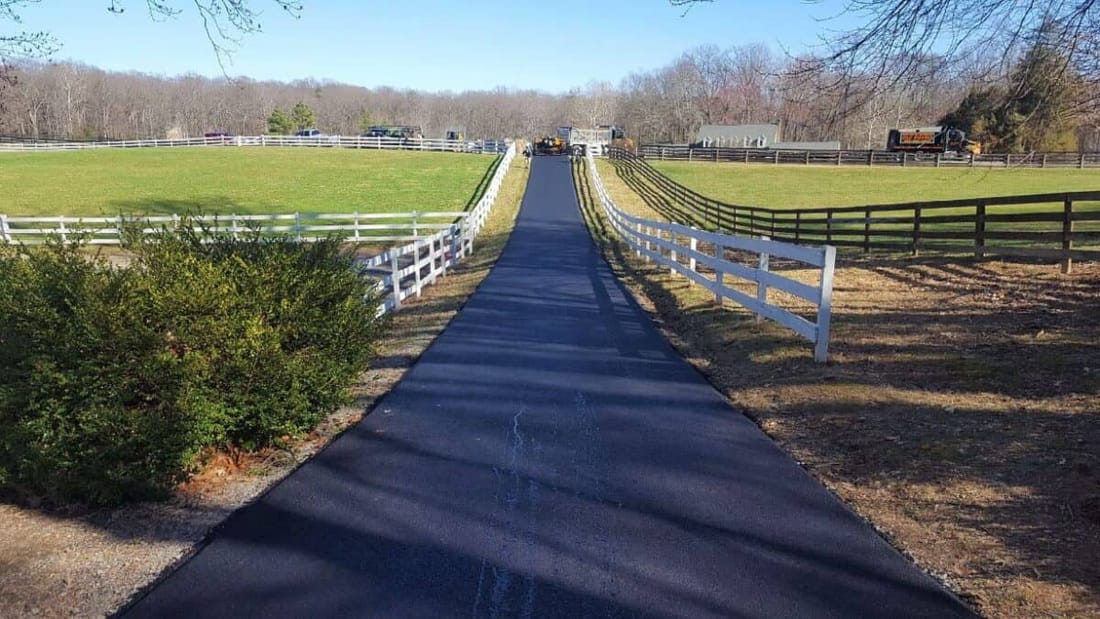
Private Road Paving for Homes, Farms, and Shared Drives
Private road paving in Fayetteville is not the same as paving a city street. You are usually dealing with a mix of clay soil, sand, tree roots, and drainage that can change every 20 or 30 feet. At Precision Asphalt Fayetteville, we start by walking the entire length of the lane or road with you, flagging soft spots, low areas that hold water, and tight curves that might cause raveling or rutting later.
We ask how the road is used. A light‑use driveway that only sees cars a few times a day does not need the same build as a farm lane that carries loaded trailers, garbage trucks, or delivery box trucks. We also look at emergency access. Fire trucks and ambulances are heavy, so if they must use the road, we design your asphalt thickness and base depth with that in mind.
In rural parts of Cumberland and surrounding counties, many private lanes started as simple dirt tracks that were crowned by driving in the same wheel paths for years. When we pave, we correct that with a planned crown and drainage pattern instead of just following the ruts. That is the difference between a road that looks good for a year and one that holds up for a decade or more.
How We Build a Durable Private Road or Lane
For most private road paving projects around Fayetteville, Precision Asphalt Fayetteville follows a clear process so there are no surprises.
First, we clear and shape the route. That can mean removing old washed‑out gravel, pulling out small stumps and roots that will rot and sink later, and trimming the edges so we can control water flow. On many sandier Fayetteville sites, we scarify the top few inches so new stone can bond into the soil instead of sliding over it.
Next, we install or correct the base. This is usually a compacted layer of crushed stone, ABC stone, or recycled asphalt millings. Thickness depends on the soil and traffic, but for most car traffic on local soils we are rarely under 4 to 6 inches of compacted base. For farm roads or HOA access roads that get delivery trucks, we often go 8 inches or more and may use geotextile fabric over weak clay to keep the stone from pumping and migrating.
We then shape the base with a proper crown or a single‑slope crossfall. In Fayetteville, sudden downpours are common, so we want water off the road in minutes, not hours. We set a fall of about 2 percent where possible and match that to ditches, swales, or natural drainage. If water has nowhere to go, we will talk about adding a shallow ditch, driveway culvert, or a turnout to a lower area.
Finally, we pave with hot mix asphalt. For most private lanes, we use a binder course for strength and a surface course for smoothness. Total asphalt thickness often runs from 2.5 to 3 inches compacted for light use, and thicker for truck traffic. We compact with vibratory rollers for the main lanes and plate compactors or small rollers at edges and tight spots so everything knits together. Edges are important on private roads, so we usually recommend a slight shoulder of stone to support the sides and prevent cracking at the edge.
Material and Design Choices That Affect Cost
There is no single price per foot for private road paving, because the ground and usage change from property to property. Precision Asphalt Fayetteville likes to break the cost into parts so you can see what drives it.
Length and width are obvious factors, but thickness of stone base and asphalt affects budget even more. A narrow lane with 8 inches of stone and 3 inches of asphalt can cost more than a wider lane with a lighter build. If your soil is weak, or trucks use the road regularly, cutting corners on base thickness usually means rutting and alligator cracking within a few seasons.
Material selection matters as well. Using recycled asphalt millings in the base can save money while still providing stability, especially on long rural lanes. A full ABC stone base costs more but is very stable and drains better. For the asphalt itself, we may recommend a heavier binder mix for truck routes or a finer surface mix where low noise and a smooth ride are important.
Drainage and site work can change the budget too. Some Fayetteville properties are flat and need very little ditching. Others sit in low, wet areas where we must undercut and replace soft spots, add culverts, or build up the road like a causeway. Trees close to the road, fence lines, and existing utilities also affect how much labor and equipment time is needed.
We always provide a written estimate that separates base work, asphalt paving, and extra items like culverts or undercutting. That way you can see where you might adjust the design to meet your budget without sacrificing the essentials that keep the road from failing.
Common Problems We Fix on Existing Private Roads
A lot of our private road paving work in Fayetteville is rebuilding lanes that were never properly constructed. The most common issue we see is roads laid over soft or muddy areas with almost no stone base. They may have looked fine in the first summer, but within a couple of winters they develop deep ruts and potholes.
When we repair or repave, Precision Asphalt Fayetteville checks how far the damage goes. If the asphalt is cracked but the base is solid, we may only need milling, patching, and an overlay. If the base is pumping mud or water comes through the cracks after rain, we know we must undercut the soft areas, replace with stone, then re‑pave.
Another frequent problem is standing water. Private roads that are flat from edge to edge or that were paved to match an uneven driveway often hold water in the wheel tracks. Standing water shortens the life of the asphalt and creates icy spots in cold snaps. We correct this by reshaping the base to put the crown back, then installing new asphalt with the right slope.
Gravel migration is also a complaint on older unpaved lanes. When you are tired of pulling gravel out of the ditch every season, we can stabilize the route with a proper stone base, then cap with asphalt so you get a clean, low‑dust surface that does not wash away in strong storms.
We explain repair options clearly, from spot reconstruction of the worst sections to full‑length rebuilds, so you can match the repair plan to the condition of the road and your long‑term plans for the property.
What Fayetteville Property Owners Should Decide Before Calling
Before you bring in Precision Asphalt Fayetteville to quote your private road paving, it helps to think through a few practical points. These decisions guide the design and keep the project on schedule.
First, list who uses the road and what they drive. Occasional car traffic, regular delivery trucks, farm tractors, and horse trailers all put different loads on the pavement. If you are in a shared lane or HOA situation, try to get input from everyone who will help pay for the work so we design for the heaviest realistic use, not just what you personally drive.
Second, think about where water currently goes during a hard storm. Are there low spots you know always get muddy, or sections that freeze first in cold weather? Walk the road after a strong rain if you can, and make notes or take photos. Sharing that with us helps us plan ditches, crowns, and culverts that solve real problems instead of guessing.
Third, consider access during construction. Most private road projects in Fayetteville can be phased so residents can still get in and out, but narrow or single‑way roads may require short closures while we pave a section. Planning alternate parking areas or temporary access ahead of time keeps everyone calmer while the work is underway.
Finally, know your priorities. Some owners want the longest possible life and are ready to invest in thicker stone and asphalt. Others want a solid, basic build that improves access without overbuilding for traffic that will never come. If you tell us what matters most, cost, longevity, or appearance, we can tailor the design of your private road paving to match instead of pushing a one‑size‑fits‑all package.